




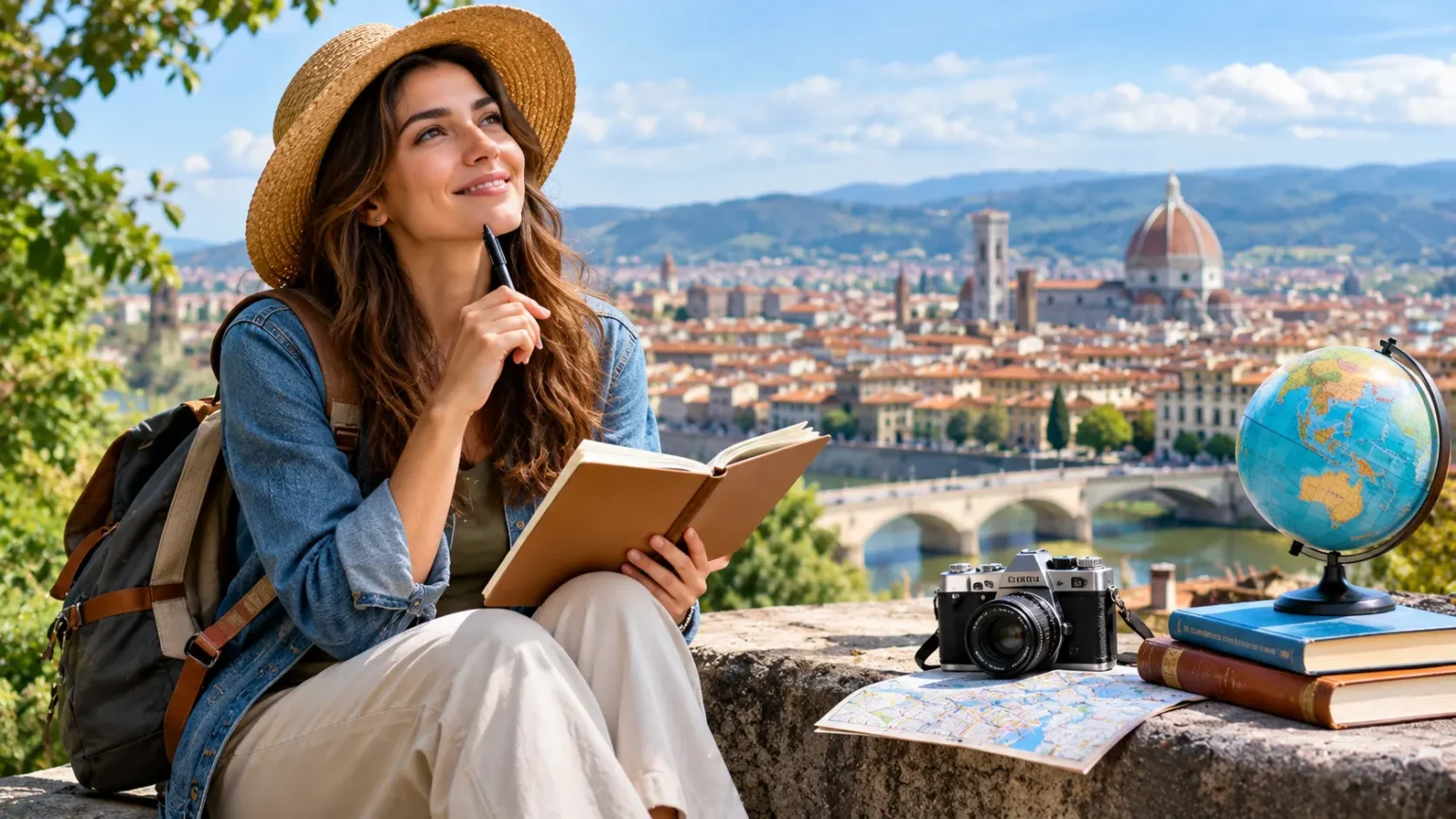
Learning does not happen only inside classrooms, libraries, or through books. Some of the most valuable lessons come from visiting unfamiliar places, meeting new people, and experiencing different ways of life. Travelling allows people to explore the world beyond their everyday surroundings. It creates opportunities to develop practical knowledge, understand different cultures, and discover perspectives that traditional learning may not always provide.
Understanding how travelling adds benefits to your learning can help you appreciate the educational value of exploring new destinations. Whether you are a student, professional, or curious traveller, every journey can provide meaningful experiences. From improving communication skills to developing independence and cultural awareness, travelling supports personal growth in many ways. This guide explains the educational benefits of travelling and how to make the most of every journey.
Why Travelling Is an Important Part of Learning
Travelling provides opportunities to learn through direct experiences rather than relying entirely on written explanations. Visiting historical locations, observing local traditions, and exploring natural environments can make unfamiliar subjects easier to understand. These activities connect knowledge with real situations. As a result, travellers can develop a more practical understanding of topics they previously encountered only through books.
Experiential learning is particularly valuable because it encourages observation, questioning, and reflection. For example, visiting a historical monument may help someone understand the culture and events associated with a particular period. Exploring a coastal environment can also introduce concepts related to geography and ecosystems. These experiences provide context that can make learning more meaningful.
Travelling also encourages people to become active participants in their own education. Instead of simply receiving information, they must observe their surroundings and interpret new experiences. This process can develop curiosity and independent thinking. However, the educational value depends on how thoughtfully someone engages with the places and people they encounter.
How Travelling Expands Your Knowledge of the World
One of the greatest educational benefits of travelling is gaining a broader understanding of the world. Different countries and regions have unique histories, traditions, environments, and social practices. Visiting these places provides opportunities to discover how communities live and work. Such experiences can challenge assumptions developed from limited information or personal surroundings.
Travellers may learn about local agriculture, transportation systems, architecture, and economic activities simply by observing daily life. A visit to a rural community may reveal different approaches to farming or resource management. Exploring a modern city can provide insights into urban planning and public transportation. These observations can make general knowledge more practical and memorable.
Learning about the world through travel also encourages people to recognize its diversity. Communities may approach similar challenges in different ways because of their geography, history, and available resources. Understanding these differences helps develop a more informed perspective. It also encourages respect for the experiences and knowledge of people from other backgrounds.
Travelling Helps You Understand Different Cultures
Cultural learning is one of the most meaningful advantages of visiting unfamiliar destinations. Every community has traditions, values, customs, and ways of communicating that reflect its history. Travelling allows people to observe these differences directly. It can provide a more personal understanding of cultural practices than reading descriptions or viewing photographs alone.
Experiencing local food, festivals, architecture, and everyday routines can reveal how culture influences daily life. For example, traditional markets may demonstrate the importance of craftsmanship and community interaction. Visiting museums or cultural centers can explain the historical background of local customs. These experiences help travellers connect cultural knowledge with real situations.
Respectful cultural exploration also encourages open-mindedness and thoughtful communication. Visitors may discover that familiar behaviors have different meanings in other communities. Asking appropriate questions and listening carefully can prevent misunderstandings. By approaching differences with curiosity rather than judgment, travellers can develop greater cultural awareness and appreciation.
How Travel Improves Communication Skills
Travelling often requires communication with people who have different languages, accents, or cultural backgrounds. Asking for directions, ordering meals, and arranging transportation provide everyday opportunities to practice communication. These situations encourage people to express themselves clearly. They may also learn to listen more carefully and recognize nonverbal communication.
When language barriers exist, travellers often need to explain information using simple words or alternative methods. Gestures, visual information, and translation tools can support communication when used appropriately. This process encourages flexibility and patience. It also demonstrates that successful communication involves understanding others rather than simply speaking confidently.
Regular interaction with unfamiliar people can gradually improve conversational skills. Travellers may become more comfortable asking questions, explaining their needs, and responding to unexpected situations. These abilities can be useful in education and professional environments. However, meaningful improvement depends on active participation rather than simply being present in a new location.
Travelling Encourages Independent Learning
Independent learning involves taking responsibility for finding information, making decisions, and understanding new situations. Travelling creates practical opportunities to develop these abilities. Planning an itinerary, researching destinations, and learning about local customs all require initiative. These activities encourage travellers to move beyond passive learning and take an active role.
During a journey, people often need to gather information from maps, transportation schedules, and local guidance. They must compare options and determine which details are relevant. This process can strengthen research and decision-making skills. It also teaches travellers that reliable information is important when making practical choices.
Independent learning continues after a journey when travellers reflect on their experiences. They may research historical places they visited or explore unfamiliar topics encountered along the way. Connecting travel experiences with further reading can deepen understanding. This approach turns a short trip into an opportunity for continued education.
How Travelling Develops Problem-Solving Skills
Travelling does not always go exactly as planned. Transportation delays, unfamiliar routes, and unexpected changes can require practical problem-solving. These situations encourage people to assess available options and make reasonable decisions. With suitable preparation and support, managing manageable travel challenges can become a valuable learning experience.
For example, a traveller may need to find an alternative route when public transportation changes its schedule. Solving the problem involves checking reliable information, comparing options, and considering available resources. Such decisions require attention and flexibility. The experience can help build practical skills that apply to everyday situations.
Problem-solving during travel also teaches the importance of preparation. Keeping essential information accessible and having alternative plans can make unexpected situations easier to manage. Travellers learn that flexibility and careful planning can work together. Rather than expecting every journey to be perfect, they can focus on responding thoughtfully when circumstances change.
Travelling Helps Improve Critical Thinking
Critical thinking involves evaluating information, questioning assumptions, and considering different perspectives before reaching conclusions. Travelling provides opportunities to practice these skills through real-world observations. People may encounter unfamiliar customs, historical interpretations, or social practices. Understanding these experiences requires more than accepting the first explanation they hear.
For example, visiting a historical location may introduce several perspectives on the same event. Travellers can compare museum information, local accounts, and educational materials to develop a broader understanding. This process encourages thoughtful evaluation. It also demonstrates why historical and cultural topics often require careful consideration of context.
Travelling can also reveal differences between expectations and reality. A destination may be more complex than its portrayal in advertisements or social media. Recognizing these differences encourages travellers to question simplified descriptions. The ability to evaluate experiences independently can support stronger judgment in academic, professional, and personal situations.
How Travel Supports Language Learning
Learning a new language becomes more practical when people encounter it during everyday activities. Travelling provides opportunities to hear natural conversations, recognize common expressions, and practice familiar words. This exposure can complement classroom learning. It helps learners understand how language is used in real situations rather than only through written exercises.
Simple interactions such as greetings, purchasing tickets, and asking basic questions can provide useful practice. Hearing different accents may also improve familiarity with spoken language. However, language development requires patience and repeated exposure. A short trip does not automatically lead to fluency, especially without consistent practice.
Travellers can improve their learning by preparing useful phrases before departure. Listening to local conversations, reading public signs, and practicing appropriate expressions can reinforce vocabulary. Language applications and educational materials may provide additional support. Combining structured learning with real-world experiences can make language study more engaging and relevant.
Travelling Builds Confidence and Independence
Travelling can help people develop confidence by introducing manageable situations outside their familiar routines. Navigating a new city, following a travel plan, or speaking with unfamiliar people may initially feel challenging. Successfully completing these activities can strengthen confidence in practical abilities. However, the experience should remain appropriate for each person’s circumstances.
Independence also develops through making thoughtful decisions and accepting responsibility for personal tasks. Travellers may organize belongings, manage schedules, and prepare for daily activities. These responsibilities provide useful learning opportunities. They can encourage people to become more organized and aware of how their choices affect a journey.
Confidence grows most sustainably when challenges are realistic and supported by suitable preparation. Travelling does not require taking unnecessary risks or visiting distant places alone. Family trips, supervised educational visits, and local excursions can offer similar opportunities. The goal is to develop practical abilities while maintaining personal safety and comfort.
How Travelling Improves Social Skills
Travelling often involves interacting with people outside familiar social circles. Meeting fellow travellers, local residents, and service providers can encourage communication and cooperation. These experiences expose individuals to different conversational styles and social expectations. They can also help develop patience when interactions require additional explanation or understanding.
Group travel provides opportunities to practice teamwork and shared decision-making. Participants may need to agree on activities, manage schedules, and consider different preferences. These situations encourage listening and compromise. When disagreements arise, respectful discussion can help maintain positive relationships while allowing everyone to express their needs.
Travelling can also strengthen empathy by introducing people to experiences different from their own. Learning about local challenges and community achievements may encourage deeper understanding. However, brief encounters do not provide complete knowledge of another person’s life. Respectful observation and careful listening remain important when developing meaningful social awareness.
Travelling Makes History and Geography More Interesting
History and geography can become more engaging when learners connect classroom knowledge with physical locations. Visiting historic buildings, archaeological sites, and museums provides opportunities to explore past events through visible evidence. These experiences help explain how geography influenced settlements, trade, and cultural development. They can make abstract information easier to visualize.
Natural landscapes also offer useful geographical lessons. Mountains, rivers, deserts, and coastal areas demonstrate how environmental processes shape the planet. Observing these features can encourage questions about climate, ecosystems, and land formation. Guided activities may provide additional explanations that connect observations with scientific concepts.
Educational travel becomes especially meaningful when preparation and reflection accompany the experience. Reading about a destination before visiting can help identify important features. Taking notes afterward reinforces what was learned. This combination of research, observation, and reflection can make history and geography more memorable.
How Travelling Encourages Creativity and Curiosity
New surroundings can provide inspiration by exposing travellers to unfamiliar designs, environments, and ideas. Architecture, traditional crafts, landscapes, and local art offer different forms of creative expression. Observing these details may encourage people to explore new interests. Such experiences can be particularly valuable for individuals studying art, design, writing, or photography.
Curiosity often develops when travellers encounter something they do not immediately understand. They may wonder why buildings have certain shapes or why particular traditions exist. Researching these questions can lead to deeper learning. Travel therefore provides opportunities to discover subjects that might not have attracted attention in an ordinary routine.
Keeping a travel journal or collecting personal observations can help preserve creative ideas. Sketching landscapes, describing interesting experiences, or recording questions encourages active engagement. These activities do not require advanced artistic skills. Their purpose is to help travellers notice details and develop individual interpretations of their surroundings.
Educational Benefits of Travelling for Students
Students can benefit from travelling because it connects academic subjects with practical experiences. School excursions, museum visits, and educational tours provide opportunities to observe concepts outside the classroom. For example, a science museum can demonstrate principles discussed in textbooks. These activities may help students understand how knowledge applies to everyday life.
Travelling can also encourage students to develop organizational and social skills. Preparing for a supervised trip may involve researching destinations, managing personal belongings, and following schedules. Group activities can support cooperation and communication. These experiences provide practical lessons that complement academic learning without replacing formal education.
Educational trips are most effective when they include clear learning objectives and opportunities for reflection. Teachers or parents can encourage students to ask questions and discuss observations. Simple follow-up activities may reinforce important ideas. Even short local visits can be educational when learners participate actively and receive appropriate guidance.
How Travelling Benefits Professional Learning
Travelling can contribute to professional development by exposing individuals to new working environments and practices. Conferences, industry events, and educational visits provide opportunities to learn from people with different experiences. Observing how organizations operate in other regions can introduce useful ideas. These experiences may encourage professionals to review existing methods and consider alternatives.
Professional travel can also support communication and networking skills. Meeting colleagues from different backgrounds requires clear explanations and respectful interaction. Discussions may reveal how regional conditions influence business decisions or workplace practices. However, valuable learning depends on meaningful participation rather than simply attending an event.
People can apply professional travel lessons by recording useful observations and reviewing them after returning. Comparing new ideas with existing practices helps determine which approaches may be relevant. Not every method observed elsewhere will suit another workplace. Careful evaluation allows travel experiences to contribute to thoughtful professional development.
How to Make Travelling More Educational
Making travel educational begins before reaching the destination. Researching local history, geography, customs, and important attractions creates useful background knowledge. Travellers can identify questions they want to explore during the journey. This preparation encourages curiosity and helps them recognize meaningful details that might otherwise go unnoticed.
During the trip, take time to observe surroundings and engage respectfully with local experiences. Museums, guided tours, cultural centers, and nature activities can provide structured learning opportunities. Keeping brief notes or photographs may help preserve important information. However, the experience should remain enjoyable rather than becoming a demanding academic assignment.
After travelling, review what you discovered and consider how it connects with existing knowledge. Discussing experiences with family, classmates, or friends can introduce additional perspectives. Reading about unfamiliar topics may deepen understanding. Reflection helps transform temporary observations into lessons that remain useful beyond the journey.
Common Mistakes That Reduce the Learning Benefits of Travel
One common mistake is visiting destinations without learning anything about their history or cultural background. Sightseeing can be enjoyable, but limited preparation may cause travellers to overlook meaningful details. Reading a short introduction before visiting can provide valuable context. This makes it easier to understand what makes a location important.
Another mistake involves focusing entirely on taking photographs or sharing experiences online. Recording memories can be enjoyable, but constant attention to devices may reduce opportunities for observation. Spending time looking closely at surroundings can reveal useful details. A balanced approach allows travellers to document experiences while remaining engaged with the destination.
Travellers may also make assumptions about communities based on brief encounters. One conversation or tourist attraction cannot represent an entire culture. Asking respectful questions and considering multiple perspectives supports more thoughtful learning. Recognizing the limits of personal observations helps prevent misunderstandings and encourages continued curiosity.
Conclusion
Travelling provides valuable learning opportunities by connecting knowledge with direct experience. Exploring unfamiliar destinations can improve cultural awareness, communication skills, independent thinking, and practical problem-solving. It also makes subjects such as history, geography, and language more meaningful. These benefits can support learning among students, professionals, and curious individuals.
Understanding how travelling adds benefits to your learning encourages a more thoughtful approach to exploring the world. Educational travel does not require expensive international journeys or complicated plans. Local museums, historical places, and nearby communities can provide meaningful experiences. What matters most is the willingness to observe, ask questions, and reflect.
Every journey offers an opportunity to discover something new about the world and the people who live in it. By combining preparation, respectful exploration, and reflection, travellers can turn ordinary experiences into lasting knowledge. Travel works best as a complement to formal education, helping make learning more practical, engaging, and connected to everyday life.
Frequently Asked Questions
How does travelling improve learning?
Travelling improves learning by providing direct experiences that connect information with real situations. It can develop cultural awareness, communication skills, independent thinking, and practical understanding of history and geography.
Why is travelling important for students?
Travelling helps students connect classroom lessons with real-world experiences. Educational trips can encourage curiosity, teamwork, observation, and problem-solving while providing opportunities to explore different environments and cultures.
Can travelling improve communication skills?
Yes, travelling creates opportunities to interact with people from different backgrounds. Asking questions, listening carefully, and navigating language differences can strengthen communication skills through practical experience.
Does travelling help develop confidence?
Travelling can build confidence by allowing people to manage unfamiliar but appropriate situations. Planning activities, navigating destinations, and making decisions can gradually strengthen independence and practical abilities.
Can local travelling provide educational benefits?
Yes, visiting nearby museums, historical locations, cultural centers, and natural environments can provide meaningful learning opportunities. Educational value depends more on curiosity, engagement, and reflection than travel distance.