




Europe offers an extraordinary mix of historic cities, dramatic landscapes, coastal escapes, famous landmarks, and distinctive regional cultures within a relatively compact area. Travelers can explore ancient ruins one day, ride through mountain scenery the next, and relax beside the Mediterranean soon afterward. This variety makes Europe suitable for first-time international travelers, couples, families, backpackers, and experienced explorers.
Planning a European trip can still feel overwhelming because the continent contains dozens of countries, hundreds of popular destinations, and countless transportation options. Choosing where to go depends on your interests, available time, travel season, and budget. A well-planned itinerary helps you experience memorable destinations without spending most of the trip rushing between airports and train stations.
This Europe travel guide covers some of the best places to visit, memorable things to do, transportation options, seasonal considerations, and practical planning tips. Whether you dream of Parisian streets, Italian architecture, Portuguese beaches, Swiss mountains, or charming Central European towns, understanding the basics can make your European adventure smoother and more rewarding.
Why Europe Is Worth Visiting
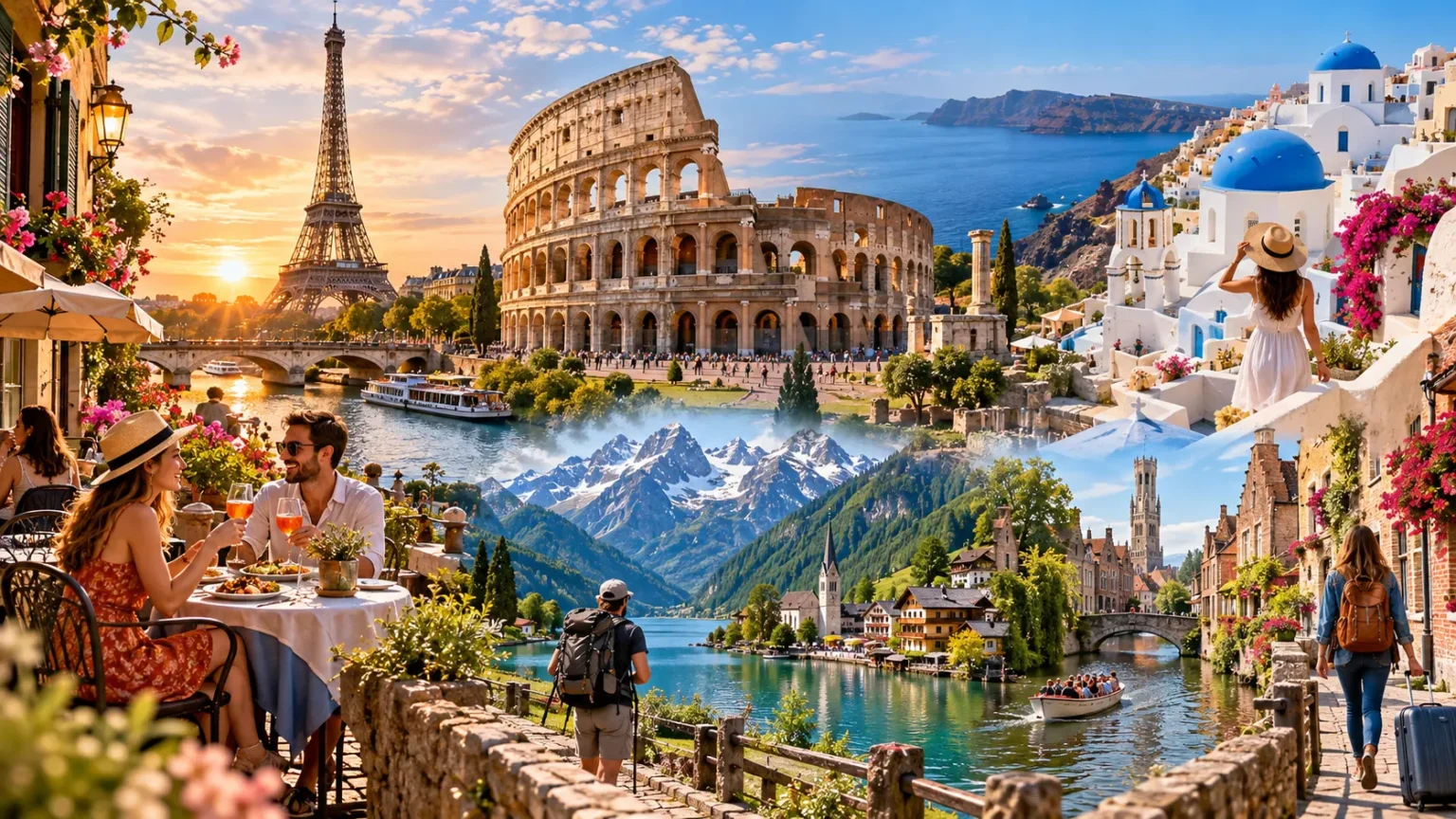
One of Europe’s biggest attractions is the incredible variety available within relatively short travel distances. Visitors can experience Roman history in Italy, alpine scenery in Switzerland, medieval architecture in Prague, sunny beaches in Portugal, and café culture in France. Each destination has its own language, food, architecture, traditions, and atmosphere, making multi-country trips especially interesting.
Europe is also appealing because travelers can combine major attractions with everyday cultural experiences. Famous landmarks such as castles, cathedrals, historic squares, museums, and archaeological sites provide plenty to explore. Yet some of the most memorable moments may come from neighborhood cafés, traditional markets, small villages, local festivals, and conversations with people encountered along the journey.
Another advantage is the range of travel styles available. Luxury travelers can choose elegant hotels and private tours, while budget visitors can use hostels, public transportation, and affordable regional trains. Families, solo travelers, couples, food lovers, hikers, beach enthusiasts, and history fans can all build itineraries around their own interests without following the same route.
Best European Destinations for First-Time Visitors
France is often included in a first European itinerary because Paris combines recognizable landmarks with museums, architecture, shopping, dining, and neighborhood exploration. Beyond the capital, destinations such as Provence, Normandy, the French Riviera, and the Loire Valley offer completely different experiences. Travelers can therefore combine city sightseeing with countryside, beaches, vineyards, or historical attractions.
Italy is another excellent choice because its destinations provide a strong mix of history, food, art, and beautiful scenery. Rome offers ancient landmarks, Florence is known for Renaissance heritage, and Venice provides a completely different atmosphere with canals and narrow streets. Visitors can also explore Tuscany, the Amalfi Coast, the Italian Lakes, Sicily, or smaller towns between major cities.
Spain and Portugal work particularly well for travelers interested in warm weather, relaxed dining, coastal scenery, and lively urban culture. Barcelona, Madrid, Seville, Lisbon, and Porto each have distinct personalities. Both countries also provide attractive smaller destinations, making them good options for travelers who want to mix popular cities with slower, less crowded experiences.
Best Cities to Visit in Europe
Paris remains one of Europe’s most recognizable city destinations because it combines famous attractions with walkable neighborhoods and everyday cultural experiences. Visitors can explore museums, admire historic architecture, walk beside the Seine, relax in gardens, and discover bakeries or cafés away from major tourist areas. Spending several days allows travelers to appreciate more than simply the best-known landmarks.
Rome feels like an open-air history lesson, with ancient structures appearing alongside busy modern streets and lively neighborhoods. Travelers can explore archaeological sites, churches, public squares, fountains, museums, and traditional restaurants during the same visit. Walking is one of the best ways to experience the city because interesting architecture and small discoveries often appear between major attractions.
Cities such as Prague, Budapest, Vienna, Amsterdam, and Lisbon also deserve consideration when planning a European itinerary. Prague offers atmospheric streets and historic architecture, while Vienna is associated with grand buildings, music, and café culture. Amsterdam combines canals and museums, Budapest provides impressive river views, and Lisbon rewards travelers with colorful neighborhoods, viewpoints, and easy access to nearby day trips.
Best Beaches, Islands, and Natural Escapes
Europe is not only about cities and historic buildings. The Mediterranean and Atlantic coasts offer everything from dramatic cliffs and golden beaches to peaceful fishing villages and resort towns. Greece, Croatia, Spain, Portugal, Italy, and southern France are particularly popular with travelers who want to combine sightseeing with swimming, boat trips, coastal walks, and relaxed afternoons by the sea.
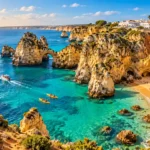
Portugal’s Algarve is especially attractive for travelers who enjoy beaches surrounded by striking rock formations and cliffs. Lagos is a popular base for exploring nearby coves, coastal viewpoints, boat trips, and charming streets within the old town. Travelers considering southern Portugal can use this detailed Lagos travel guide when planning activities and sightseeing.
Mountain lovers have equally impressive choices throughout Europe. The Swiss Alps, Austrian Alps, Italian Dolomites, Norwegian fjords, and Slovenia’s alpine regions provide hiking, scenic train journeys, lakes, waterfalls, and winter sports. These destinations can create a welcome contrast to crowded cities, particularly when travelers include several days of slower outdoor exploration within a longer itinerary.
Best Things to Do in Europe
Exploring historic neighborhoods on foot is one of the simplest ways to experience European destinations. Instead of moving only between famous attractions, spend time wandering through old towns, residential streets, waterfront areas, and local squares. Walking often reveals architecture, small shops, cafés, public art, markets, and neighborhood details that travelers can easily miss when relying entirely on taxis or organized transportation.
Museums and historical sites are another major part of European travel. Depending on the destination, visitors can explore ancient ruins, royal palaces, medieval castles, art museums, cathedrals, former fortifications, and archaeological areas. Choosing a few attractions that genuinely match your interests usually creates a better experience than trying to visit every famous site listed in a guidebook.
Day trips can also add significant variety without requiring frequent hotel changes. From major cities, travelers can often reach castles, coastal towns, lakes, villages, vineyards, or historic communities within a few hours. Selecting one or two well-planned excursions allows you to see another side of the region while still keeping the convenience of a consistent accommodation base.
Experience European Food and Local Culture
Food is an important part of traveling through Europe because culinary traditions can change dramatically between countries and even neighboring regions. Italian pasta, Spanish tapas, French pastries, Portuguese seafood, Greek dishes, Central European comfort food, and Balkan cuisine each reflect local ingredients and history. Trying regional specialties can provide cultural insight that goes beyond sightseeing alone.
Markets are excellent places to explore everyday food culture while discovering local produce, baked goods, cheeses, meats, snacks, and seasonal ingredients. Some markets are heavily visited by tourists, while others remain important shopping places for local residents. Arriving earlier in the day can provide a calmer experience and more opportunities to observe how people actually shop and eat.
Learning a few basic words in the local language can also make travel interactions more pleasant. Simple phrases for hello, thank you, please, and basic questions demonstrate consideration even when English is commonly understood. Travelers should also remember that restaurant customs, meal times, tipping expectations, and service styles vary across Europe, so observing local practices can prevent misunderstandings.
Best Time to Travel Around Europe
Spring can be an excellent time to explore Europe because temperatures are generally comfortable in many destinations and popular attractions may be less crowded than during peak summer. Flowers, greener landscapes, and longer daylight hours make outdoor sightseeing enjoyable. Weather can still change quickly, however, so travelers should pack light layers and prepare for occasional rain.
Summer offers warm temperatures, long days, festivals, beaches, and lively outdoor dining, making it attractive for many visitors. It is also one of the busiest periods for major European destinations, especially coastal areas and famous cities. Booking accommodation and popular attractions earlier can make planning easier when traveling during heavily visited summer weeks.
Autumn can provide comfortable sightseeing weather, seasonal food, colorful landscapes, and fewer visitors in many areas after the busiest summer period. Winter brings an entirely different experience with Christmas markets, snowy mountain destinations, skiing, and quieter city breaks. The ideal season ultimately depends on whether your priorities involve beaches, sightseeing, hiking, festivals, winter sports, or lower crowds.
How to Travel Between European Countries
Trains are one of the most enjoyable ways to travel between many European cities because stations are often located near city centers. Rail journeys can eliminate some of the airport transfers and waiting associated with short flights. High-speed and regional services make routes between major destinations convenient, although schedules, ticket policies, and pricing can vary significantly between countries.
Budget airlines can be useful when traveling longer distances, especially if your itinerary includes destinations on opposite sides of Europe. However, travelers should compare the complete journey rather than looking only at the advertised airfare. Baggage charges, airport transportation, security procedures, and distant airport locations can sometimes make a cheap flight less convenient than expected.
Buses, rental cars, ferries, and local public transportation provide additional flexibility. A rental car may be particularly useful for countryside routes, small villages, islands, or remote landscapes that are difficult to reach by train. Within larger cities, metros, trams, buses, and walking are usually more practical than driving because parking and traffic can become unnecessarily stressful.
How to Plan a Europe Travel Budget
Accommodation is often one of the largest expenses during a European trip, and prices can vary considerably between destinations. Major capitals and famous resort areas are usually more expensive than smaller cities or less visited regions. Booking earlier, staying slightly outside the most tourist-heavy neighborhoods, or choosing guesthouses and hostels can significantly reduce overall travel costs.
Food expenses are equally flexible. Travelers can spend heavily on restaurants every day or combine restaurant meals with bakeries, supermarkets, markets, and casual local cafés. A practical approach is to choose one memorable meal while keeping breakfast and lunch simpler, allowing you to experience regional cuisine without letting dining consume most of your budget.
Transportation, attraction tickets, travel insurance, mobile data, and small daily purchases should also be included when estimating costs. Leave some flexibility for unexpected expenses rather than planning every available amount. Tracking spending throughout the trip can help prevent overspending early and allows you to prioritize experiences that matter most during the final days.
Where to Stay During a European Trip
Choosing the right neighborhood can influence your experience almost as much as choosing the destination itself. Staying directly beside a famous attraction can be convenient but may also involve higher prices, heavier crowds, and more tourist-oriented restaurants. Neighborhoods slightly outside the historic center can sometimes provide better value while remaining easily connected by public transportation.
Hotels are convenient for travelers who value reception services and predictable amenities, while apartments can work well for longer stays or groups needing additional space. Hostels remain popular among budget and solo travelers because they can provide affordable accommodation and social opportunities. Guesthouses and smaller family-run properties may offer a more personal atmosphere in smaller destinations.
Always consider transportation connections before booking accommodation. A cheaper hotel far outside the center may become inconvenient if reaching attractions requires lengthy journeys every morning and evening. Looking at nearby metro stations, train connections, walkability, and airport access can help you balance price with convenience instead of choosing accommodation based only on the nightly rate.
Essential Europe Travel Tips
Avoid trying to visit too many countries within one short trip. Changing cities every day or two may look impressive on an itinerary, but frequent packing, transportation, check-ins, and navigation consume valuable time. Spending several nights in each destination usually creates a more enjoyable pace and leaves room for spontaneous discoveries instead of constant rushing.
Keep important travel documents secure and maintain backup copies separately from the originals. Pay attention to personal belongings in busy transportation areas, attractions, and crowded streets, just as you would in any heavily visited destination. Travel insurance can also provide useful protection against certain unexpected problems involving cancellations, luggage, medical needs, or other disruptions.
Finally, leave some unscheduled time in your itinerary. Europe rewards curiosity, and an unexpected neighborhood, small restaurant, local event, or scenic walk may become more memorable than something planned months earlier. Creating a flexible structure rather than a minute-by-minute schedule allows you to enjoy major attractions while still experiencing the natural rhythm of each destination.
Conclusion
Europe remains an exceptional travel destination because it combines famous cities, beautiful landscapes, historic landmarks, beaches, mountains, food traditions, and different cultures within relatively manageable distances. Travelers can design completely different journeys depending on whether they prefer art, history, nightlife, nature, food, coastal relaxation, or outdoor adventures.
A successful European trip does not require visiting as many countries as possible. Choosing destinations that genuinely match your interests, spending enough time in each place, and balancing major attractions with slower experiences can create a far more satisfying journey. Thoughtful transportation and accommodation choices can also reduce unnecessary stress and expenses.
Whether you are planning your first European vacation or returning to explore a new region, flexibility is one of the most valuable travel strategies. Research the essentials, organize important bookings, and then leave enough room to discover places naturally. Europe offers so much variety that even a carefully planned trip will likely leave you with ideas for another visit.
FAQs
How many days do you need for a Europe trip?
Around 10–14 days can work well for two or three destinations without excessive rushing. Longer trips allow travelers to explore multiple regions while building slower days into the itinerary.
Which European countries are best for first-time travelers?
France, Italy, Spain, Portugal, the Netherlands, Austria, and several Central European destinations are popular starting points. The right choice depends on your interests, budget, preferred weather, and available travel time.
What is the cheapest way to travel around Europe?
Regional trains, long-distance buses, budget flights, and public transportation can all be economical depending on the route. Booking longer journeys early and comparing total transportation costs often helps control expenses.
What is the best month to visit Europe?
There is no single best month for every traveler. Spring and early autumn often provide comfortable sightseeing conditions, while summer suits beaches and festivals and winter works well for skiing and seasonal markets.
Is it better to travel Europe by train or plane?
Trains are convenient for many short and medium-distance routes between well-connected cities. Flights can be more practical for longer distances, so many itineraries work best by combining both transportation options.