




Bhutan is a Himalayan kingdom where dramatic mountain scenery, Buddhist traditions, historic fortresses, quiet valleys, and welcoming communities come together. A trip here feels different from a typical sightseeing holiday because many of the most memorable experiences involve slowing down, walking through nature, visiting sacred places, and learning about local culture.
Travelers can hike to cliffside monasteries, explore colorful markets in Thimphu, wander through impressive dzongs, visit peaceful farming valleys, and taste traditional dishes built around rice, cheese, and chilies. Bhutan also offers trekking, rafting, wildlife watching, festivals, crafts, and wellness experiences for visitors who want more than conventional sightseeing.
This Bhutan travel guide covers the best things to do and see, major destinations, cultural experiences, food, outdoor adventures, and practical planning considerations. Whether you are interested in history, photography, hiking, spirituality, or simply escaping crowded tourist routes, Bhutan offers plenty to build a rewarding itinerary around.
Why Bhutan Is Worth Visiting
Bhutan appeals to travelers who value scenery and culture as much as famous attractions. Forested hills, mountain passes, rivers, traditional villages, monasteries, and fortress-like dzongs create an environment where the journey between destinations can be almost as memorable as the destinations themselves. The landscape changes considerably as you travel through different elevations and valleys.
Cultural traditions remain highly visible in everyday life. Traditional architecture appears throughout towns and villages, while Buddhism influences festivals, monuments, prayer flags, temples, and local customs. Archery, weaving, woodwork, painting, and other traditional arts also remain important parts of Bhutanese cultural identity.
Bhutan is also ideal for travelers who prefer a slower style of exploration. Instead of racing between dozens of landmarks, you can spend time walking through valleys, visiting temples, talking with local guides, and enjoying mountain scenery. Giving each destination enough time usually creates a more rewarding Bhutan travel experience.
Explore Paro and Hike to Tiger’s Nest
Paro is one of the most important stops on almost every Bhutan itinerary. The valley combines mountain landscapes, traditional architecture, monasteries, museums, shops, and historic sites. Rinpung Dzong is among its most recognizable landmarks, while the surrounding valley offers peaceful roads and countryside that are enjoyable to explore at a relaxed pace.
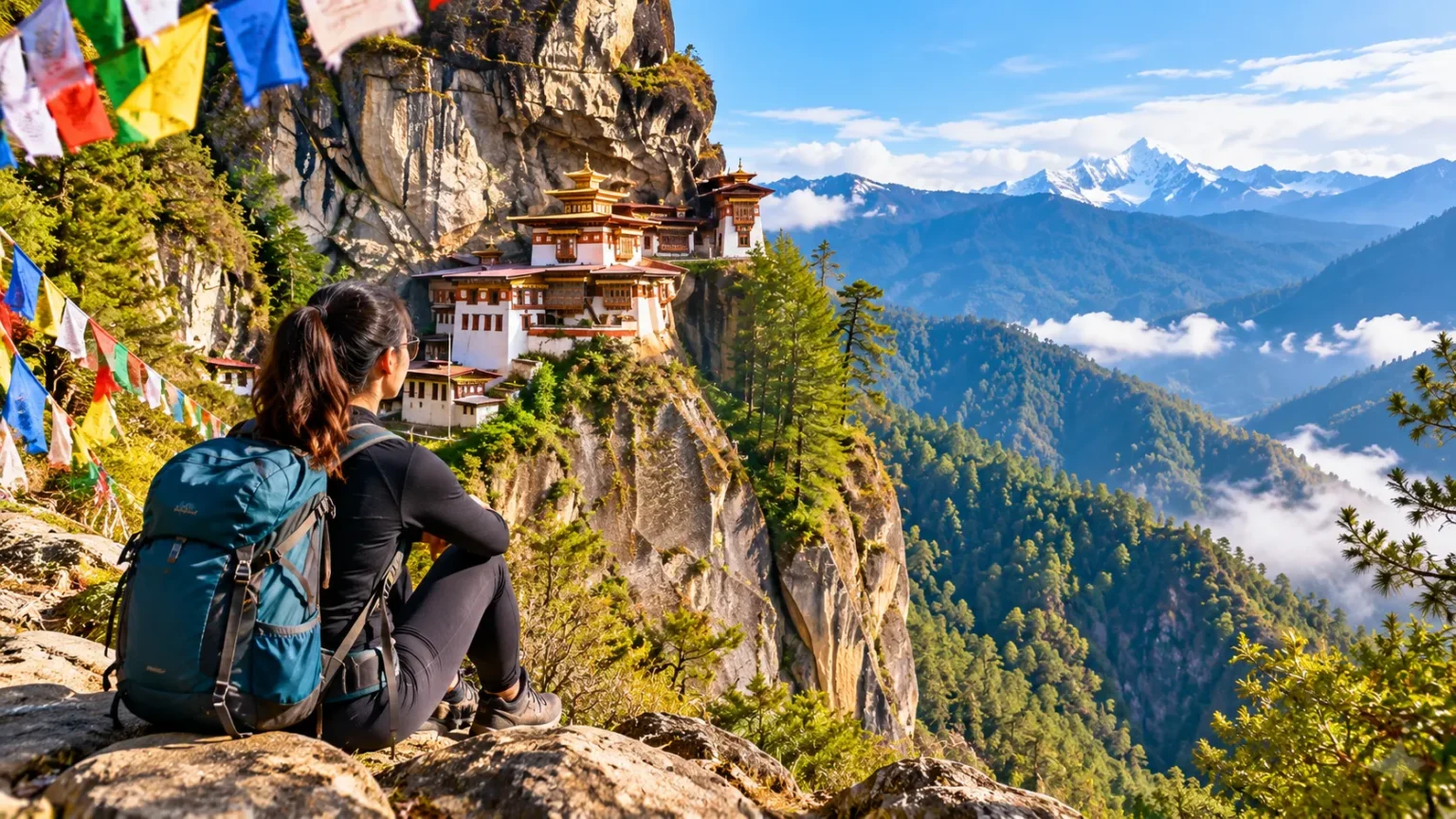
The highlight for many travelers is Paro Taktsang, commonly called Tiger’s Nest Monastery. The sacred complex sits dramatically against a mountainside above the Paro Valley, and reaching it involves a substantial uphill hike. The combination of forest trails, mountain views, religious significance, and dramatic architecture makes the journey one of Bhutan’s signature experiences.
Plan the hike when you have enough time to move comfortably rather than rushing. Wear supportive footwear, carry water, and take breaks when needed, especially because of the elevation. Starting earlier in the day can also give you more time to enjoy the viewpoints and monastery surroundings without feeling pressured by your schedule.
Discover the Best of Thimphu
Thimphu offers one of Bhutan’s most interesting combinations of tradition and modern life. As you explore the capital, you may encounter markets, museums, temples, cafés, shops, parks, traditional buildings, and contemporary cultural spaces. The city makes a useful introduction to the way Bhutan balances longstanding traditions with a changing modern society.
Take time to explore local handicrafts and cultural attractions rather than treating Thimphu as simply an overnight stop. Traditional textiles, paintings, carvings, and other crafts can provide a deeper understanding of Bhutanese artistic traditions. Walking around central areas also gives you a chance to see ordinary daily life beyond major monuments.
Thimphu is also a good place to try Bhutanese food and become familiar with local customs before traveling farther into the country. Spending two nights can allow a more relaxed experience than arriving late and departing immediately the following morning. A slower schedule leaves room for viewpoints, short hikes, markets, and spontaneous discoveries.
Visit Punakha and Its Famous Dzong
Punakha offers a warmer valley environment and some of Bhutan’s most memorable architecture. Punakha Dzong stands beside the meeting point of two rivers and is surrounded by mountains and greenery. Its scale, detailed design, courtyards, and scenic riverside setting make it one of the country’s most impressive cultural landmarks.
The surrounding Punakha Valley deserves exploration beyond the dzong itself. Rural roads, rice fields, villages, temples, suspension bridges, and river scenery create opportunities for gentle walking and photography. Travelers who enjoy quieter countryside often appreciate spending additional time here instead of simply visiting as a day trip.
Punakha can also provide a pleasant contrast to higher and cooler areas of western Bhutan. Depending on your itinerary, you may travel through mountain passes and forests before descending toward the valley. Taking time along the route allows you to enjoy viewpoints and understand how quickly Bhutan’s landscapes can change.
Experience the Peaceful Phobjikha Valley
Phobjikha Valley is an excellent destination for travelers who want open landscapes, quiet villages, and nature. The broad valley is surrounded by forested hills and offers a noticeably different atmosphere from Bhutan’s larger towns. Walking through the countryside can become one of the most peaceful experiences of a longer Bhutan journey.
Nature lovers often include Phobjikha because of its wildlife and seasonal birdlife. Even when wildlife is not your main interest, the valley offers scenic hiking routes, traditional farmhouses, monasteries, and opportunities to observe rural life. Staying overnight gives you more time to experience the area’s calm atmosphere.
Pack layers because temperatures can change considerably, particularly in the morning and evening. Comfortable walking shoes are also valuable because exploring the valley is best done partly on foot. Instead of trying to fill every hour, leave some unstructured time to enjoy the scenery and slower pace.
Discover Bhutan’s Spiritual Heart in Bumthang
Bumthang is often associated with Bhutan’s deep religious and cultural heritage. The region contains historic temples, monasteries, villages, farmland, and broad mountain valleys. Travelers interested in Bhutanese history and spirituality may find that spending several days here adds important depth to a trip focused initially on western Bhutan.
Walking between villages and religious sites is one of the best ways to appreciate the landscape. Gentle trails can take you past fields, forests, traditional houses, prayer flags, and small settlements. The experience feels less like moving from attraction to attraction and more like exploring a living cultural landscape.
Bumthang also rewards travelers who have more time available. Reaching central Bhutan adds travel time, so attempting to include it in a very short itinerary may make the trip feel rushed. If your schedule allows ten days or more, adding Bumthang can provide a richer picture of the country beyond Paro and Thimphu.
Enjoy Hiking, Rafting, and Outdoor Adventures
Bhutan’s mountains and valleys make hiking one of the most natural ways to explore the country. Options range from short walks around towns and monasteries to multi-day trekking routes through remote landscapes. Travelers can choose experiences based on fitness, available time, altitude tolerance, and interest in camping or cultural stops.
River activities provide another perspective. Rafting experiences are available on rivers around Punakha, combining scenic stretches with more energetic sections. Mountain biking, nature walks, and longer trekking routes can also appeal to travelers wanting a more active Bhutan itinerary.
Avoid packing too many physically demanding activities into consecutive days. Bhutan’s elevation and winding road journeys can make travel more tiring than expected. Alternating strenuous hikes with cultural sightseeing or quieter valley days can make the overall trip more enjoyable while giving your body enough time to recover.
Experience Bhutanese Culture and Festivals
Bhutanese festivals can be some of the most colorful events to experience during a visit. Traditional masked dances, religious ceremonies, music, elaborate clothing, and community gatherings create an atmosphere very different from ordinary sightseeing. Festival dates vary, so they are worth considering when deciding when to travel.
Even outside major festivals, culture is visible throughout Bhutan. Prayer wheels, monasteries, roadside stupas, prayer flags, traditional clothing, architecture, and local crafts provide constant reminders of the country’s religious and artistic heritage. Visitors should approach sacred spaces respectfully and follow guidance about photography, clothing, and behavior.
Take time to learn rather than simply photograph what you see. A local guide can explain the meaning behind paintings, statues, architectural details, ceremonies, and historical stories that might otherwise go unnoticed. These explanations often transform a beautiful building into a much more meaningful cultural experience.
Try Traditional Bhutanese Food
Bhutanese cuisine is known for bold flavors, especially dishes combining chilies and cheese. Ema datshi is among the best-known examples, although variations use different vegetables and ingredients. Rice, vegetables, meat, dumplings, noodles, dairy products, and warming drinks also appear frequently in meals throughout the country.
Trying local dishes is one of the easiest ways to add depth to your trip. Rather than eating only hotel buffet food, look for opportunities to experience regional cooking, family-style meals, or cooking demonstrations. Exploring local flavors can help you understand more about Bhutanese daily life and food traditions.
If you are sensitive to spicy food, ask about chili levels before ordering. Bhutanese dishes can be much hotter than some international travelers expect. Trying smaller portions first allows you to explore traditional flavors without turning an enjoyable meal into an endurance challenge.
Best Time to Visit Bhutan
Spring is popular for travelers interested in comfortable hiking conditions, blooming landscapes, and cultural experiences. Mountain valleys become increasingly colorful as the season develops, while daytime conditions can be pleasant for walking and sightseeing. Weather still varies considerably with altitude, so layers remain useful.
Autumn is another attractive period because clearer conditions can provide excellent mountain views and enjoyable hiking weather. Travelers interested in photography often appreciate crisp landscapes after the wetter summer period. Festival schedules can also influence when you decide to visit, particularly if experiencing a traditional celebration is a priority.
Summer brings greener landscapes and fuller waterfalls, although rain can make transportation and hiking less predictable. Winter can provide quieter travel and clearer views in some areas, but colder temperatures become a major consideration at higher elevations. There is no universally perfect season, so choose according to your preferred activities and tolerance for weather.
Practical Tips for Planning a Bhutan Trip
Give yourself enough time to enjoy road journeys rather than assuming short map distances mean fast travel. Mountain roads can make travel between valleys slower than expected, and scenic stops frequently add time. A seven-day itinerary can introduce western Bhutan, while additional days create more opportunities for central valleys and slower exploration.
Entry requirements, visa procedures, tourism policies, fees, and transport arrangements can change, so confirm current requirements before booking your trip. Bhutan’s international airport is in Paro, while road entry may also be available through designated border points. Within Bhutan, travelers commonly use arranged vehicles and drivers rather than relying on independent self-drive travel.
Pack for changing weather and elevation. Layers, comfortable walking shoes, sun protection, and a light rain jacket can be useful even when the forecast looks favorable. Keep some flexibility in your itinerary because road conditions, weather, or personal energy levels can affect how much sightseeing feels realistic on a particular day.
A Simple 7-Day Bhutan Itinerary
Spend your first couple of days around Paro and Thimphu. After arriving in Paro, continue to Thimphu for city sightseeing, cultural attractions, local food, and markets. Keeping the first day relatively relaxed can also help you adjust to travel fatigue and elevation before beginning more demanding activities.
Continue toward Punakha for its famous dzong, valley scenery, villages, and riverside landscapes. Spend enough time there to experience more than the central attraction before returning toward Paro. Stops around mountain passes and viewpoints can turn the drive itself into part of the sightseeing experience.
Use your final full day for the Tiger’s Nest hike, allowing plenty of time for the ascent, monastery visit, viewpoints, and descent. This places one of Bhutan’s most memorable experiences near the end of the trip while giving you several days to acclimatize first. Longer itineraries can add Phobjikha, Bumthang, or multi-day trekking.
Conclusion
Bhutan combines Himalayan scenery, historic architecture, Buddhist culture, outdoor adventure, and peaceful valleys in a way that rewards thoughtful travel. Paro, Thimphu, Punakha, Phobjikha, and Bumthang each offer a different perspective, from famous monasteries and urban culture to countryside walks and spiritual heritage.
The best Bhutan itinerary does not need to include every possible destination. Choosing fewer places and allowing enough time for mountain drives, walks, cultural visits, and unexpected stops can create a more enjoyable journey. Bhutan is particularly rewarding when you treat the travel between landmarks as part of the experience.
Plan according to your available time, physical ability, preferred season, and interest in culture or adventure. Confirm current entry and tourism requirements before departure, pack for changing mountain conditions, and approach religious and community spaces respectfully. With thoughtful planning, Bhutan can offer an unusually memorable Himalayan journey.
FAQs
How many days are enough for Bhutan?
Around seven days can provide a good introduction to Paro, Thimphu, Punakha, and Tiger’s Nest. Ten days or more gives you greater flexibility to add Phobjikha, Bumthang, or longer outdoor experiences.
What is the most famous place to visit in Bhutan?
Tiger’s Nest Monastery near Paro is one of Bhutan’s most recognizable attractions. Its dramatic mountainside location and rewarding hike make it a priority for many first-time visitors.
Is Bhutan good for hiking?
Yes. Bhutan offers everything from short valley walks and monastery hikes to challenging multi-day treks. Choose trails based on your fitness level, available time, season, and experience at higher elevations.
What food should I try in Bhutan?
Ema datshi is one of the country’s best-known dishes and combines chilies with cheese. You can also explore local rice dishes, dumplings, vegetables, noodles, butter tea, and regional specialties.
Is Bhutan suitable for first-time international travelers?
Bhutan can work well for first-time travelers who plan transportation and entry requirements carefully. Organized local support, structured itineraries, and experienced tourism professionals can make navigating the country considerably easier.