




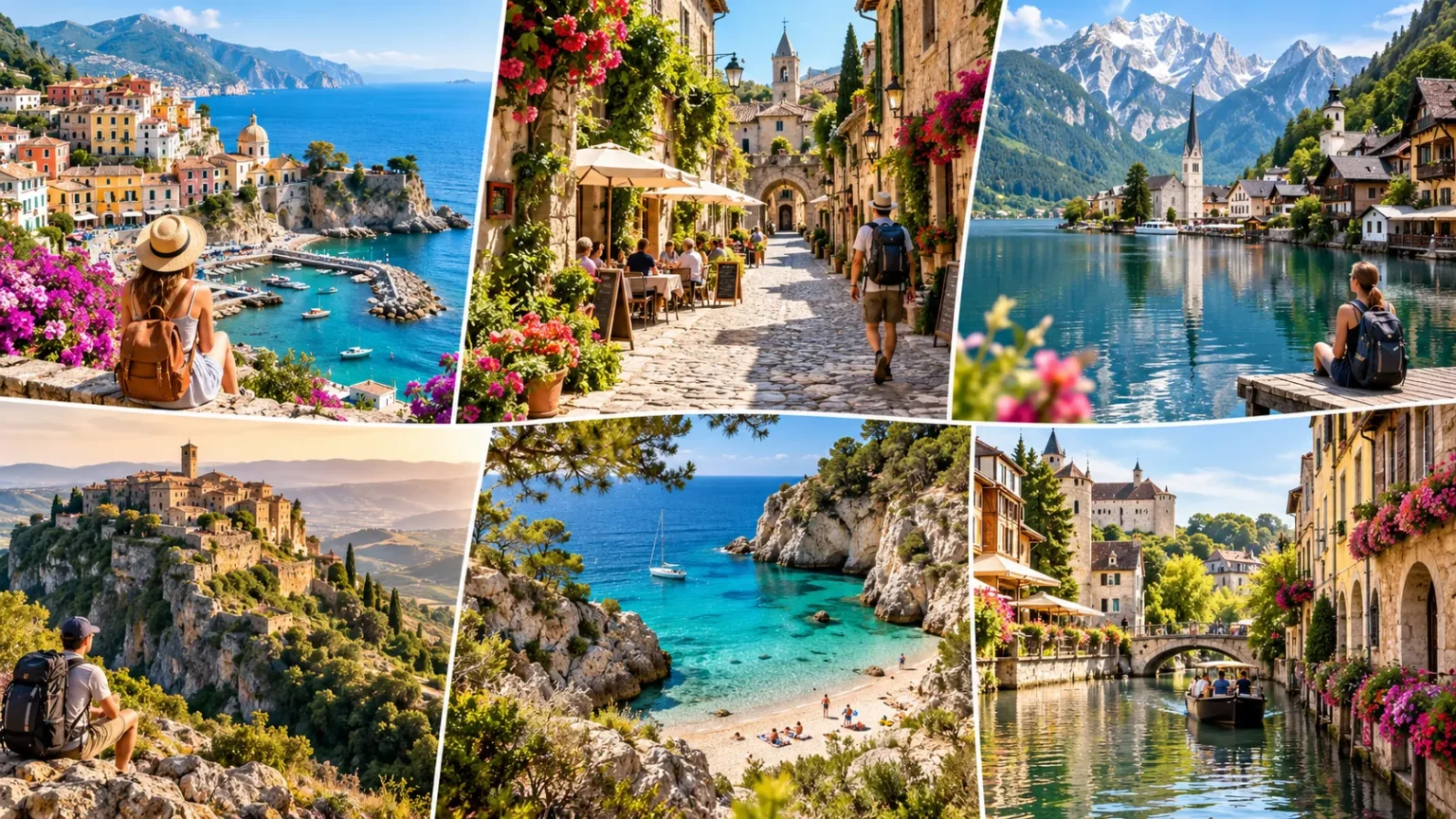
Europe’s most famous destinations deserve their popularity, but Paris, Rome, Barcelona, and Amsterdam represent only a small part of what the continent offers. Venture beyond the usual tourist circuit and you can find atmospheric old towns, mountain landscapes, historic architecture, excellent food, and walkable cities that often receive far less international attention.
Choosing underrated European destinations can also create a different style of trip. Instead of spending most of your day moving between packed attractions, you may have more time for neighborhood cafés, local markets, spontaneous walks, and regional food. Smaller cities can also make short European breaks easier to plan because many highlights are concentrated within a manageable area.
The destinations below range from Baltic university cities and Central European cultural centers to Adriatic towns and Balkan historic gems. Some are becoming better known, but they remain overlooked compared with Europe’s biggest tourism names. If you want a European itinerary that feels less predictable, these 15 places deserve serious consideration.
Why Visit Europe’s More Underrated Destinations?
Famous cities often dominate travel planning because they appear in guidebooks, movies, and social media feeds. Lesser-known destinations can provide equally memorable architecture, museums, food, and scenery without requiring every day to revolve around major attractions. They are particularly appealing to travelers who enjoy wandering and discovering places at a slower pace.
Smaller European cities can also make it easier to experience everyday local life. You may spend mornings at neighborhood bakeries, afternoons walking historic streets, and evenings in squares used by residents rather than only visitors. That does not make a place automatically more authentic, but it can create a different balance between tourism and ordinary city life.
Underrated does not necessarily mean undiscovered or empty. Many places on this list are popular domestically or regionally and can still become busy during festivals and peak summer weekends. Think of them as alternatives that receive less global attention than Europe’s headline destinations rather than secret places where no other traveler goes.
1–3: Plovdiv, Košice, and Tartu
1. Plovdiv, Bulgaria combines layers of history within a remarkably walkable setting. Its cobbled Old Town, colorful Bulgarian Revival houses, Roman heritage, and creative Kapana district give you plenty to explore without the scale of a major capital. Spend time wandering rather than rushing between landmarks, and leave an evening free for cafés and restaurants around the historic center.
2. Košice, Slovakia offers an elegant pedestrian center anchored by impressive historic architecture and lively public spaces. Hlavná Street is ideal for slow walks between churches, cafés, fountains, and pastel buildings. The city also works well for travelers who want to combine an urban break with a longer trip through eastern Slovakia and the country’s surrounding mountain regions.
3. Tartu, Estonia feels different from the better-known Baltic capitals because of its strong university identity. The compact center combines classical architecture, riverside walks, museums, street art, and a youthful café scene. It is especially appealing if you enjoy creative cities where cultural attractions and everyday student life blend together rather than being separated into obvious tourist districts.
4–6: Sibiu, Gjirokastër, and Mostar
4. Sibiu, Romania is one of Transylvania’s most attractive cities, with broad squares, colorful facades, medieval passages, and distinctive rooftop windows. The historic center is easy to explore on foot, while the surrounding region opens the door to villages and mountain scenery. Sibiu suits travelers who want architecture and atmosphere without building an itinerary around a huge list of attractions.
5. Gjirokastër, Albania rises dramatically across a hillside covered with stone-roofed houses. Its steep lanes, traditional architecture, castle views, and mountain backdrop create one of the most visually distinctive historic towns in the Balkans. Comfortable walking shoes are essential because the cobbled streets climb sharply, but the elevated viewpoints make those uphill walks worthwhile.
6. Mostar, Bosnia and Herzegovina is best known for its historic bridge, yet the destination becomes more rewarding when you explore beyond that single landmark. Stone streets, river views, traditional architecture, cafés, and nearby countryside make it suitable for more than a quick photo stop. Staying overnight can reveal a quieter side once many daytime visitors have moved on.
7–9: Utrecht, Mechelen, and Brno
7. Utrecht, Netherlands offers canals, historic streets, bicycles, museums, and café culture without requiring you to base another trip entirely around Amsterdam. Its distinctive canal-level wharves create atmospheric places to walk and eat beside the water. The compact city center rewards slow exploration, while excellent rail connections make Utrecht convenient within a broader Netherlands itinerary.
8. Mechelen, Belgium sits conveniently between some of Belgium’s better-known cities yet is easy to overlook. Its historic center includes impressive churches, attractive squares, canals, and traditional Belgian architecture within a manageable area. Mechelen makes sense for travelers who enjoy cities such as Bruges and Ghent but would prefer somewhere smaller and less central to standard first-time itineraries.
9. Brno, Czechia provides an appealing alternative to spending an entire Czech trip in Prague. The city combines historic architecture with student energy, cafés, modern design, underground spaces, and a strong cultural scene. Its manageable size makes wandering easy, and its location in Moravia also gives travelers opportunities to explore wine regions and smaller towns nearby.
10–12: Graz, Braga, and Coimbra
10. Graz, Austria blends a preserved historic center with contemporary architecture and a relaxed university-city atmosphere. Rather than feeling like a smaller copy of Vienna, Graz has its own personality shaped by courtyards, hilltop views, markets, cafés, and creative spaces. It works particularly well for travelers interested in architecture, food, and comfortable city walking.
11. Braga, Portugal offers ornate churches, historic streets, lively squares, and a distinctly northern Portuguese atmosphere. Many travelers race between Porto and Lisbon, leaving cities such as Braga outside their itinerary. The city can be explored comfortably over a short stay, while surrounding religious sites and landscapes provide reasons to venture beyond the historic center.
12. Coimbra, Portugal is strongly shaped by its centuries-old university and steep historic streets. Courtyards, libraries, churches, riverside walks, and traditional music give the city a character that differs from Portugal’s bigger coastal destinations. Coimbra is particularly rewarding for travelers interested in history who enjoy exploring layered neighborhoods rather than beach-focused holidays or nightlife-heavy city breaks.
13–15: Ohrid, Ulcinj, and Piran
13. Ohrid, North Macedonia combines historic architecture with a spectacular lakeside setting. Churches, hillside streets, viewpoints, swimming spots, and waterfront restaurants make it possible to mix sightseeing with slower outdoor time. Staying for several days rather than treating Ohrid as a quick stop allows you to explore both the old town and quieter sections of the lake.
14. Ulcinj, Montenegro provides a different experience from Montenegro’s famous Bay of Kotor. Its dramatic Old Town, Adriatic coastline, long beaches, and strong Albanian cultural influence give the destination a distinctive identity. Ulcinj is worth considering if you want coastal scenery but prefer adding somewhere beyond the country’s most heavily photographed medieval waterfront towns.
15. Piran, Slovenia occupies a compact peninsula on the Adriatic and feels made for aimless walking. Narrow lanes lead between historic buildings toward waterfront promenades, squares, and elevated viewpoints over the sea. Although well known within Slovenia, Piran is still frequently overlooked by international travelers who focus their Slovenian itineraries almost entirely on Ljubljana, Lake Bled, and the mountains.
Best Time to Explore Lesser-Known European Destinations
Spring can be an excellent time for destinations built around historic streets, outdoor cafés, and sightseeing. April through June often provides comfortable walking weather before the hottest part of summer arrives. Gardens and surrounding landscapes also become greener, making spring particularly attractive for destinations where you want to combine cities with nearby countryside.
September and early October are equally appealing for many parts of Europe. Summer travel has begun to slow, yet daylight and temperatures can remain pleasant enough for walking and outdoor dining. Southern destinations such as Albania, Montenegro, Portugal, and North Macedonia can be especially enjoyable when you want warmth without planning around the height of midsummer.
Winter should not automatically be dismissed, particularly for Central European destinations. Cities such as Graz, Brno, Košice, and Sibiu can feel atmospheric during colder months when indoor cafés, historic centers, and seasonal events become part of the experience. Just remember that shorter daylight hours can significantly change how much sightseeing you fit into each day.
Getting Around an Underrated Europe Itinerary
Rail travel works particularly well when connecting Central and Western European cities. Destinations such as Utrecht, Mechelen, Brno, Graz, and Coimbra can fit naturally into broader routes involving nearby major transport hubs. Trains also let you arrive close to many city centers without spending extra time traveling between airports and downtown areas.
Buses become increasingly useful in parts of southeastern Europe where rail networks may not connect every destination conveniently. Albania, Bosnia and Herzegovina, Montenegro, and North Macedonia often require more flexible route planning. Leave additional time between connections rather than designing an itinerary where one delayed journey disrupts several reservations.
Avoid trying to visit all 15 destinations during one trip. Choose a region and connect three or four locations with reasonable travel times. A slower itinerary gives you more time to enjoy each destination and reduces the chance that your supposedly relaxed alternative-Europe trip becomes another exhausting checklist of arrivals and departures.
Planning an Affordable European Trip
Choosing less internationally famous destinations can sometimes help stretch a travel budget, particularly when you compare accommodations and meals with Europe’s most expensive capitals. However, prices still vary significantly by season, neighborhood, event dates, and booking timing. Always check current transportation and accommodation costs before assuming a particular city will automatically be inexpensive.
Students and younger travelers can also explore broader lists of budget travel destinations when comparing where their money may go further. Saving on the destination itself is only one part of the equation because flights, local transport, attractions, food, and luggage charges can significantly change the total trip cost.
Consider staying slightly longer in fewer cities rather than moving every night. Constant transportation adds ticket costs and often leads to paying premium prices for convenient short stays. Slower travel can create more room for grocery-store breakfasts, free walking routes, neighborhood restaurants, and day trips instead of spending a large portion of your budget simply moving between places.
How to Choose the Right Hidden-Gem Destination
Start with the experience you actually want rather than choosing somewhere simply because it is described as underrated. For medieval streets and historic architecture, consider Sibiu, Gjirokastër, Mostar, or Piran. For an energetic city break, Tartu, Brno, Utrecht, and Graz may better match your travel style.
If scenery matters as much as urban exploration, destinations such as Ohrid, Ulcinj, and Gjirokastër provide strong natural surroundings. Travelers focused on museums, architecture, cafés, and cultural activities may prefer Plovdiv, Košice, Coimbra, or Mechelen. Matching a place with your interests is more important than collecting destinations that appear on trending lists.
Finally, leave some unplanned time once you arrive. Smaller destinations often become memorable through ordinary experiences: finding a bakery on a side street, sitting beside a river, climbing to an unexpected viewpoint, or spending longer than planned in a neighborhood café. A less famous destination works best when you give yourself enough time to actually notice it.
Conclusion
Europe has far more to offer than the handful of cities that dominate international travel itineraries. Plovdiv, Košice, Tartu, Sibiu, Gjirokastër, Mostar, Utrecht, Mechelen, Brno, Graz, Braga, Coimbra, Ohrid, Ulcinj, and Piran each provide their own combination of culture, architecture, scenery, and local atmosphere.
These destinations are not completely unknown, nor do they need to be. Their appeal comes from offering rewarding experiences while remaining less central to mainstream European itineraries than places such as Paris, Rome, Venice, and Barcelona. Visiting them can also encourage you to explore entire regions that might otherwise be skipped.
Choose a few places that fit naturally together, travel at a comfortable pace, and build your itinerary around what you genuinely enjoy doing. The best underrated European destination is not necessarily the most obscure one. It is the place that gives you the kind of trip you hoped to experience while showing you a different side of Europe.
FAQs
What are some underrated European destinations worth visiting?
Plovdiv, Tartu, Košice, Sibiu, Gjirokastër, Brno, Graz, Braga, Ohrid, and Piran are strong options. Each offers a different mix of history, architecture, food, scenery, and local culture.
Which underrated European destinations are good for a city break?
Utrecht, Mechelen, Brno, Graz, Tartu, and Košice work particularly well for shorter city breaks because their central areas are relatively compact and offer plenty to explore on foot.
Where should I go in Europe to avoid the usual tourist itinerary?
Consider southeastern and Central European destinations such as Gjirokastër, Plovdiv, Sibiu, Košice, Ohrid, and Ulcinj, or choose smaller Western European cities such as Mechelen, Utrecht, Braga, and Coimbra.
When is the best time to visit underrated European destinations?
Spring and early autumn are excellent for many destinations because temperatures can be comfortable for sightseeing. Your ideal month depends on whether you prioritize beaches, hiking, city exploration, festivals, or winter atmosphere.
Are lesser-known European destinations cheaper?
Some can be more affordable than Europe’s biggest tourist capitals, but prices vary by country, season, events, and accommodation demand. Compare your complete trip costs rather than assuming every lesser-known city is inexpensive.