





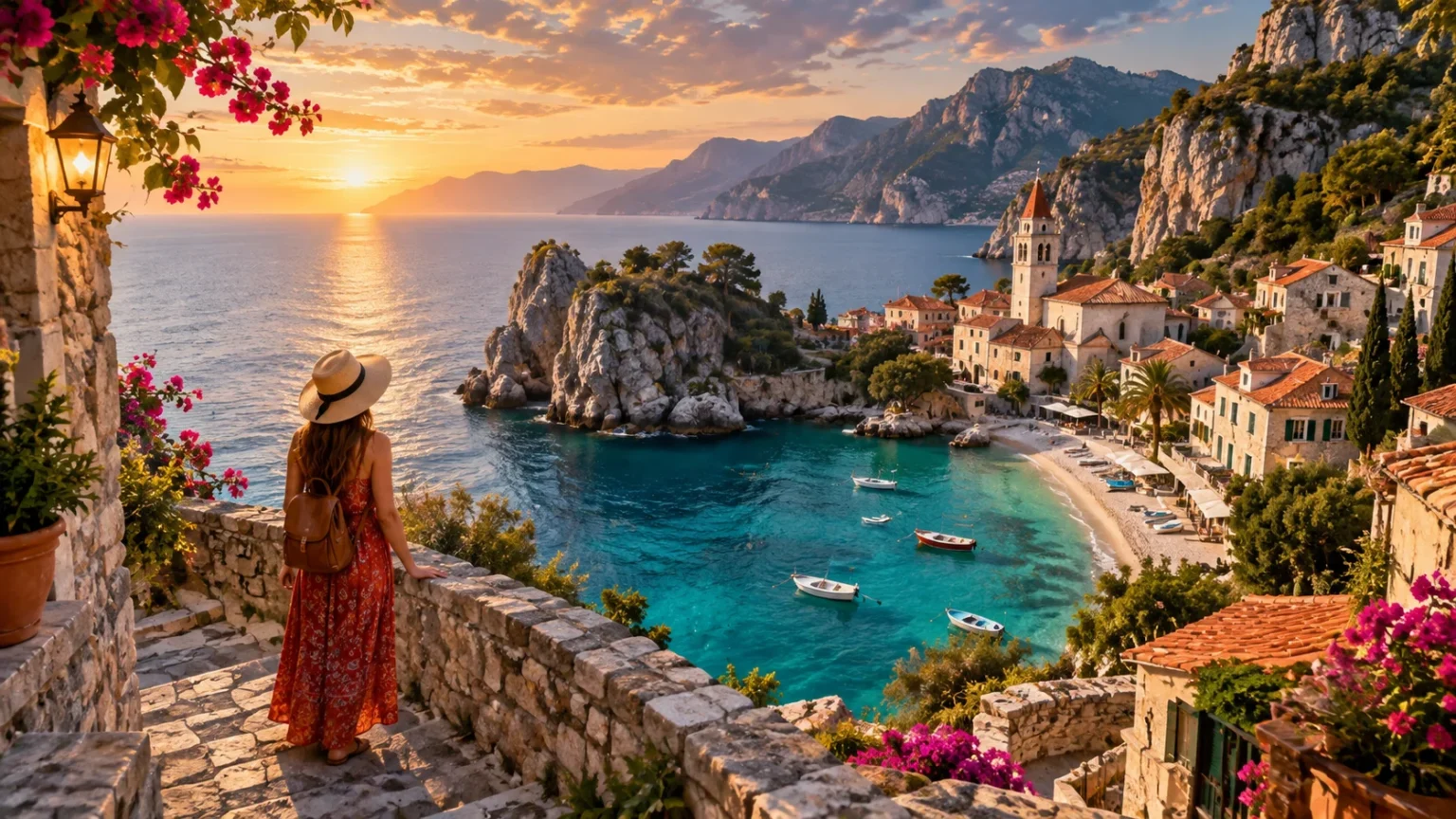
Travel does not always have to mean following crowds toward the same famous capitals, beaches, and landmarks. Some of the most memorable trips happen in places that receive less attention but still offer dramatic scenery, distinctive culture, excellent food, and meaningful experiences. Hidden gem travel destinations can also encourage a slower pace because there is often less pressure to race between world-famous attractions.
Finding an underrated destination does not necessarily mean traveling somewhere completely unknown. It can simply mean choosing a quieter island, smaller historic city, mountain region, or coastal town instead of the most obvious alternative nearby. These 15 hidden gems around the world offer beautiful landscapes, cultural depth, outdoor adventures, and plenty of reasons to explore beyond the usual tourist trail.
1. Azores, Portugal and 2. Madeira, Portugal
The Azores are a volcanic Atlantic archipelago filled with green hills, crater lakes, rugged coastlines, hot springs, and small communities. São Miguel is especially appealing for travelers who enjoy hiking, viewpoints, and road trips through changing landscapes. Instead of crowded resort strips, much of the experience revolves around nature, peaceful drives, coastal villages, and outdoor exploration.
Madeira offers another Portuguese island escape with mountains, dramatic cliffs, gardens, and coastal scenery. Travelers can explore hiking routes, discover small towns, enjoy viewpoints above the ocean, or spend time in Funchal between outdoor adventures. The island works particularly well for visitors who want mild weather, active days, and a destination that mixes comfortable infrastructure with impressive natural surroundings.
Both destinations reward travelers who prefer exploring slowly rather than checking landmarks off a list. Renting a car can make it easier to reach smaller viewpoints, villages, and trail areas on your own schedule. The Azores feel more remote and wild, while Madeira provides a broader mix of city comforts, mountain landscapes, and accessible sightseeing.
3. Kotor, Montenegro and 4. Mostar, Bosnia and Herzegovina
Kotor sits between steep mountains and the calm waters of a beautiful Adriatic bay. Inside its historic walls, narrow streets open into small squares filled with churches, stone buildings, cafés, and centuries of architectural character. Climbing above the old town provides memorable views, while nearby villages give travelers several reasons to spend more than one day in the area.
Mostar offers an entirely different Balkan atmosphere built around stone streets, river views, historic architecture, and its famous old bridge. Visitors can wander through the compact historic center, enjoy traditional food, and explore surrounding areas without needing an overly complicated itinerary. The city works particularly well as part of a wider road trip through Bosnia and Herzegovina.
Both Kotor and Mostar have become better known, but they can still feel refreshingly different from Europe’s biggest tourism capitals. Staying overnight rather than visiting only on a day trip allows you to experience quieter mornings and evenings. Couples, photographers, and independent travelers may especially appreciate their walkable centers and dramatic settings.
5. Soča Valley, Slovenia and 6. Tbilisi, Georgia
Slovenia’s Soča Valley is a strong choice for travelers who would rather spend their vacation beside rivers and mountains than inside crowded cities. The striking river, forested landscapes, walking routes, and outdoor activities create an ideal environment for hiking, photography, rafting, or simply driving between small Alpine settlements. It feels adventurous without requiring a highly complicated expedition.
Tbilisi offers colorful balconies, hillside neighborhoods, old streets, traditional bathhouses, restaurants, and a distinctive mixture of architectural influences. The Georgian capital is especially rewarding for travelers who enjoy food and culture alongside unstructured wandering. It can also serve as a useful starting point for exploring mountain scenery, monasteries, villages, and wine-producing regions elsewhere in Georgia.
Choosing between these two depends on whether nature or urban culture is your priority. Soča Valley is best suited to active travelers who want fresh air and scenery, while Tbilisi offers history, food, nightlife, and character. Both can become part of longer itineraries that reveal much more than the destination you initially came to see.
7. Matera, Italy and 8. Ghent, Belgium
Matera feels dramatically different from the classic image of Italian travel. Its historic stone districts appear carved into the landscape, with narrow passages, stairways, viewpoints, and unusual buildings creating an unforgettable setting. Couples and photographers may particularly enjoy exploring around sunrise or evening, when the textures of the city become even more atmospheric.
Ghent is an excellent alternative for travelers considering Belgium but wanting something beyond the most obvious stops. Canals, medieval architecture, historic towers, cafés, and lively neighborhoods create a city that is easy to enjoy on foot. It offers enough cultural attractions for a full city break while still feeling manageable compared with larger European capitals.
Matera delivers a more dramatic, ancient atmosphere, while Ghent works well for relaxed urban sightseeing. Both destinations encourage walking, stopping for meals, and discovering small details rather than constantly moving between major attractions. They are especially suitable for travelers who appreciate architecture and history but want an experience that feels less predictable than a standard European itinerary.
9. Salta, Argentina and 10. Colonia del Sacramento, Uruguay
Salta provides a fascinating base for exploring northwestern Argentina, where mountains, valleys, desert colors, and distinctive regional culture create a striking contrast with the country’s better-known destinations. Travelers can combine city sightseeing with road trips through surrounding landscapes. Local food, traditional architecture, and scenic drives make the region particularly rewarding for visitors interested in culture and nature together.
Across the Río de la Plata, Colonia del Sacramento in Uruguay offers a much slower experience. Cobblestone streets, old buildings, waterfront views, and tree-lined lanes make it ideal for walking without a strict schedule. The compact scale works especially well for couples or travelers who want a quiet break from larger cities during a longer South American journey.
These destinations show two very different sides of South America. Salta is suited to road trips, landscapes, and exploration, while Colonia is about slowing down and enjoying atmosphere. Travelers with more time can build broader regional itineraries around either location instead of treating them only as brief stops between more famous cities.
11. Luang Prabang, Laos and 12. Raja Ampat, Indonesia
Luang Prabang combines temples, river scenery, traditional architecture, local markets, and a relaxed pace. The city is small enough to explore without constantly using transportation, making it suitable for travelers who enjoy slow mornings and cultural experiences. Nearby waterfalls and countryside excursions add nature to an itinerary that might otherwise focus mostly on historic streets and religious sites.
Raja Ampat offers a completely different Southeast Asian experience centered on remote islands, turquoise water, marine life, and dramatic limestone scenery. It attracts divers and snorkelers, but the landscapes alone can make the long journey worthwhile. Accommodation and transportation require more planning than a standard beach holiday, which helps preserve its sense of adventure.
Luang Prabang is easier for culture-focused travelers, while Raja Ampat suits those willing to work harder for an extraordinary island experience. Families looking for trips with simpler logistics may prefer more established summer destinations. Adventurous couples and independent travelers, however, may enjoy the slower pace and distinctive character these destinations provide.
13. Musandam, Oman and 14. Karakol, Kyrgyzstan
Musandam sits apart from much of mainland Oman and offers rugged mountains dropping into clear coastal waters. Boat trips through its dramatic inlets, quiet villages, and remote scenery create an experience that feels very different from major Gulf cities. It is a strong option for travelers interested in landscapes, road trips, and water-based activities without relying on large resort developments.
Karakol in Kyrgyzstan is an excellent gateway to mountain adventures around the eastern part of the country. Travelers come for trekking, alpine scenery, lakes, valleys, and access to landscapes that feel remarkably spacious. The town itself provides a practical base while offering a glimpse of local culture and a slower style of travel.
Both destinations are best for travelers who value scenery more than nightlife or luxury shopping. Musandam combines mountains with the sea, while Karakol delivers a more rugged inland adventure. Planning transportation carefully is important in both places because some of their strongest experiences lie outside central towns and require extra travel time.
15. Faroe Islands: A Remote North Atlantic Escape
The Faroe Islands offer cliffs, waterfalls, grass-covered mountains, small villages, and dramatic North Atlantic scenery. Weather can change quickly, which gives the landscape a constantly shifting mood and encourages flexible travel plans. Road trips, short hikes, photography, and village exploration are among the simplest ways to experience the islands without creating an overly packed itinerary.
One of the best parts of visiting is how closely settlements and nature exist together. A drive can move from a quiet harbor to a mountain tunnel or coastal viewpoint within a relatively short distance. Travelers should still allow extra time because scenic stops, changing weather, and spontaneous walks can easily turn short journeys into much longer adventures.
The Faroes are especially suited to photographers, hikers, and couples who enjoy cool weather and wild landscapes. Travelers searching for nightlife or traditional resort entertainment may find them too quiet. For those who appreciate isolation, coastal scenery, and destinations that make slowing down feel natural, however, the islands can be one of Europe’s most memorable escapes.
How to Choose the Right Hidden Gem Destination
Start by deciding what “hidden gem” means to you. Some travelers want almost complete isolation, while others simply want a smaller alternative to an overcrowded city or resort. Your preferred climate, activity level, food interests, transportation comfort, and available vacation time should influence the destination more than whether a place is fashionable on social media.
Accessibility is another important consideration. Locations such as Ghent or Matera can be incorporated relatively easily into a broader trip, while Raja Ampat or remote mountain regions require more time and planning. A destination is only enjoyable when the journey fits your schedule, so consider transfer time alongside flights, accommodation, and the number of days available.
Finally, travel with realistic expectations. A quieter destination may have fewer transportation options, shorter business hours, or less tourist-focused infrastructure, but that can be part of its appeal. Give yourself enough flexibility to explore slowly, support local businesses, respect communities, and appreciate the qualities that made the place feel special in the first place.
Conclusion
Hidden gem travel destinations offer a chance to experience the world beyond the most familiar tourist routes. The Azores, Soča Valley, Raja Ampat, Musandam, and the Faroe Islands deliver striking natural scenery, while Matera, Ghent, Mostar, and Tbilisi provide rich cultural experiences. Each destination offers a different reason to travel somewhere less predictable.
The right choice depends on how you like to spend your vacation. Some travelers want mountain hikes and road trips, while others prefer historic streets, quiet cafés, beaches, or slow cultural exploration. Choosing a destination that suits your personality will usually create a better trip than visiting somewhere simply because it appears on a popular travel list.
Traveling beyond famous landmarks can also encourage more meaningful exploration. Leave space in your itinerary for small restaurants, scenic detours, conversations, and places you did not know existed before arriving. Those unexpected moments are often what turn an underrated destination into a trip you continue remembering long after you return home.
FAQs
What is considered a hidden gem travel destination?
A hidden gem is generally a place that offers memorable scenery, culture, or experiences without receiving the same attention as major tourist destinations. It does not need to be completely unknown to qualify.
Which hidden gem destination is best for nature?
The Azores, Soča Valley, Raja Ampat, Karakol, and Faroe Islands are excellent options for nature-focused travelers. They offer combinations of mountains, water, hiking, wildlife, and dramatic landscapes.
What are some underrated European destinations?
Kotor, Mostar, Soča Valley, Matera, Ghent, the Azores, and Faroe Islands provide alternatives to Europe’s busiest destinations. Each offers a distinctive combination of history, architecture, scenery, or outdoor activities.
Are hidden gem destinations cheaper to visit?
Not necessarily. Some lesser-known destinations offer good value, while remote islands and mountain regions can be expensive because transportation and accommodation options are limited. Always compare the total trip cost before booking.
Are hidden destinations suitable for first-time travelers?
Yes, although some are easier than others. Walkable cities and well-connected regions can suit beginners, while remote islands or mountain destinations may require more planning, transportation research, and flexibility.